Event porta potty rentals
Portable restroom setups for festivals, sports fields, markets, private gatherings, and public-facing events where guest flow matters.
Get A QuoteAugusta portable restroom rentals
Augusta Porta Potty Rentals helps organizers, site teams, and property planners compare the right portable restroom, trailer, accessible unit, and handwashing options for their setting.
01 / Portable sanitation services
Compare the portable restroom services most often needed for gatherings, construction activity, long-term placements, public access, guest comfort, and hygiene support.
Portable restroom setups for festivals, sports fields, markets, private gatherings, and public-facing events where guest flow matters.
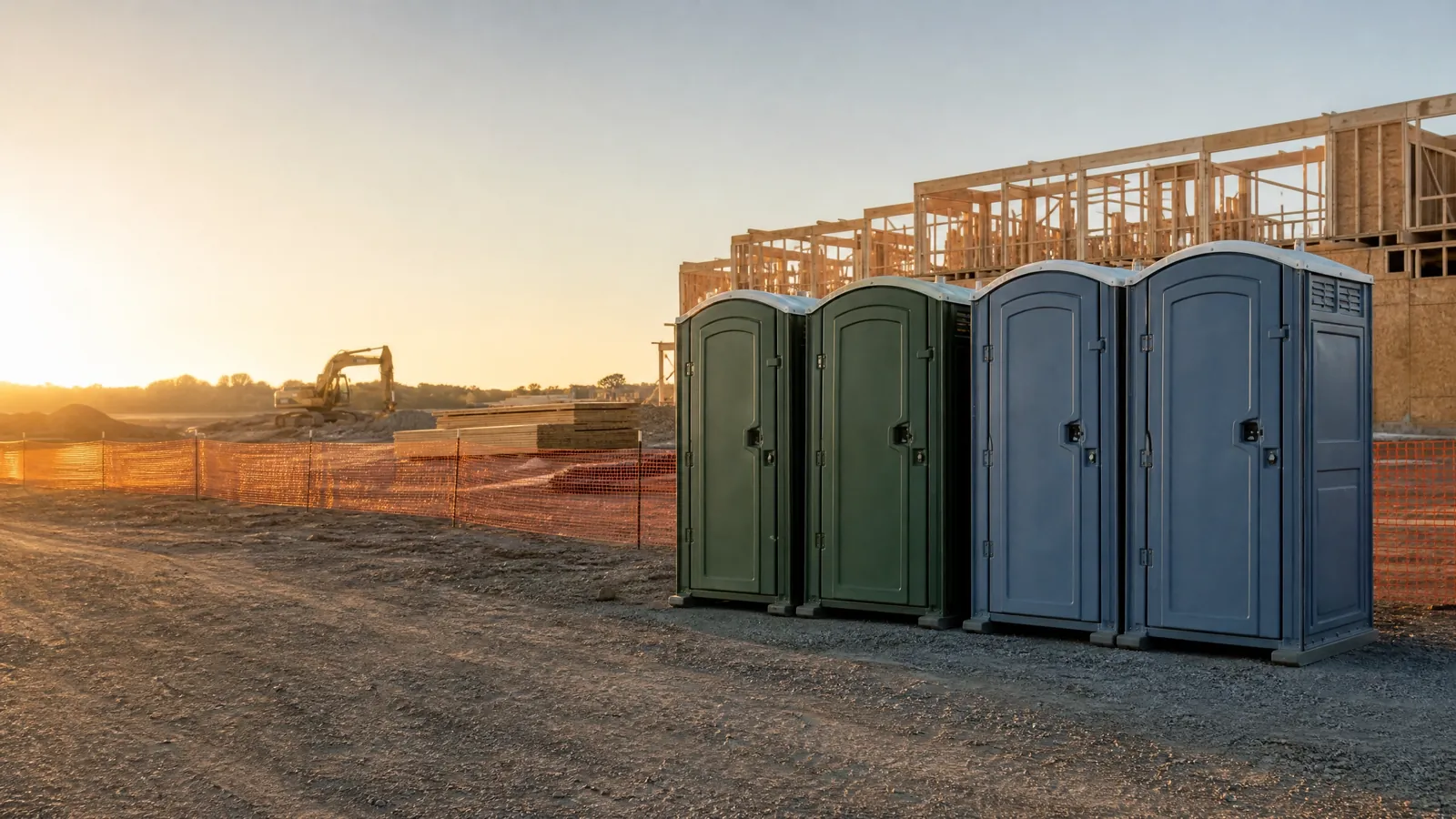
Get A QuoteDurable jobsite units for crews, renovation work, utility projects, and long-running builds that need practical access.
Get A QuoteFinished restroom options for weddings, corporate functions, and settings where presentation and guest comfort carry more weight.
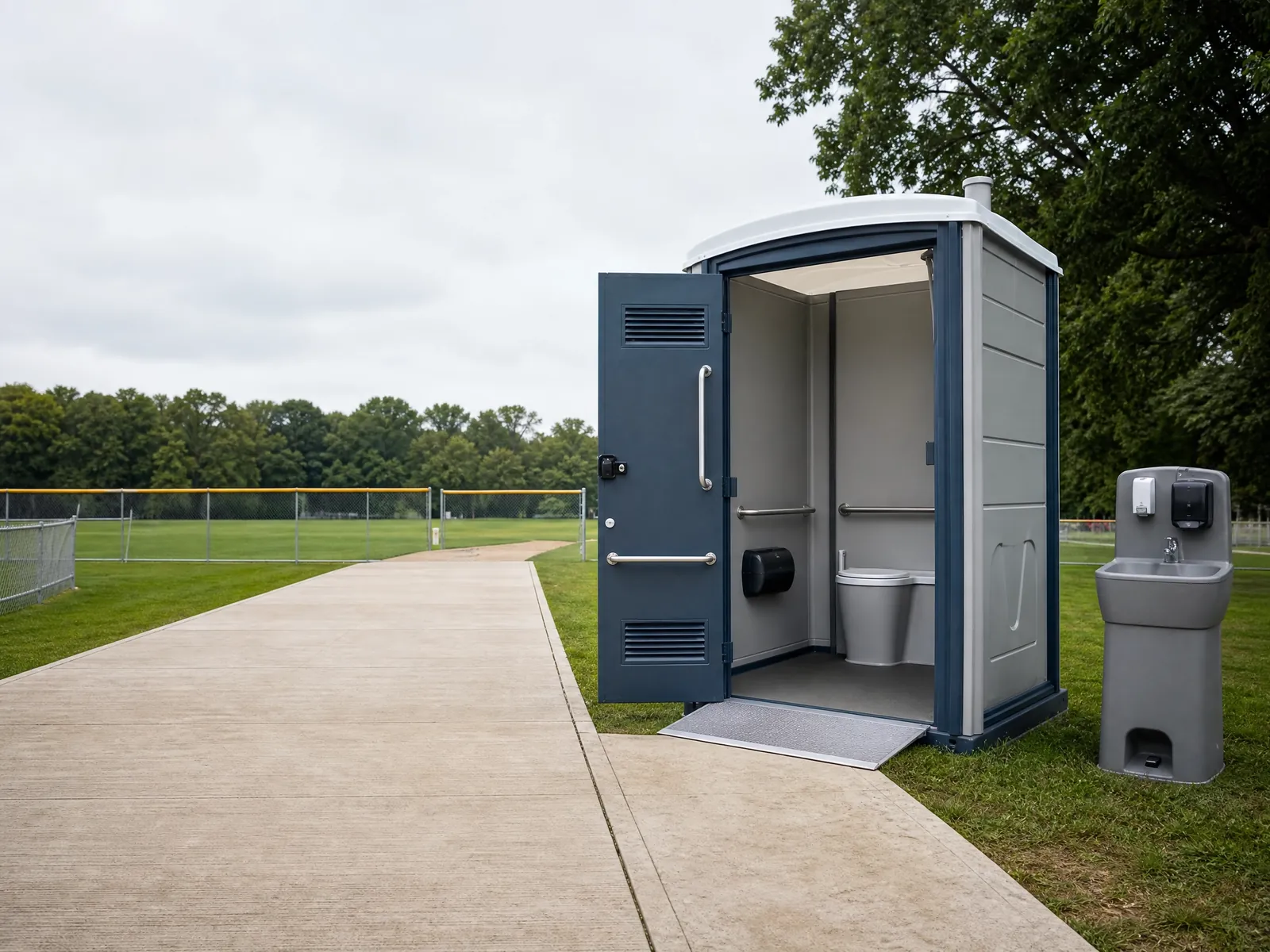
Get A QuoteAccessible unit planning with a clear, stable approach route built into the conversation from the start.
Get A QuoteHandwashing stations placed where crews and guests naturally pause, eat, arrive, or transition between activities.
Get A QuoteOngoing unit placement and service planning for extended construction, property work, seasonal operations, and recurring needs.
Get A QuotePlacement and service conversations that consider efficient site flow, handwashing access, and a tidy event or work area.
Get A QuotePrivate trailer options for larger events and occasions that call for a more finished restroom experience.
Get A Quote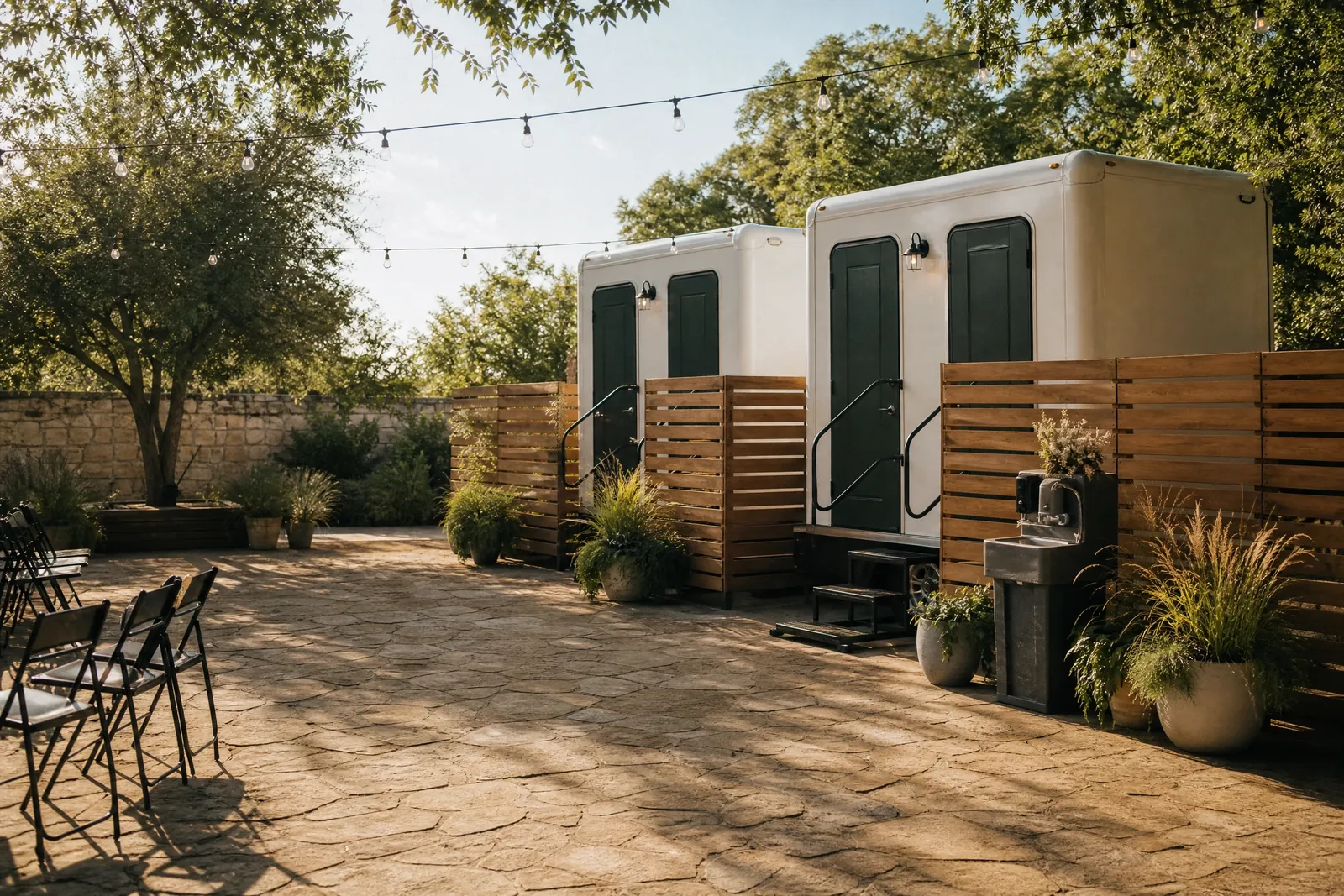
02 / Augusta rental context
In Augusta, GA, portable sanitation supports outdoor events, job sites, property work, seasonal gatherings, and the everyday logistics around public-facing spaces. A useful rental plan starts with the setting, then matches service options to the people and activity taking place there.
Grovetown Grovetown blends new neighborhoods with busy roadways and active parks, so event and project organizers pay close attention to parking and foot paths. Open fields can handle larger gatherings, while pocket parks and cul‑de‑sacs may call for compact layouts. Plan restroom placement where natural shade helps and where people already move—near vendor lines, sidelines, or trailheads. Clear signage and strategically spaced handwashing can make a measurable difference when crowds peak between games or during evening concerts.
Martinez In Martinez, venues range from church lawns and community greens to commercial remodels tucked along busy corridors. Sites may offer good pavement and lighting but limited storage space. That makes delivery access, staging areas, and turnaround routes worth mapping early. Spreading smaller restroom groups across a wide venue helps minimize walking distances, while a single, centralized bank can work well for ticketed entrances. If your plan includes family activities or food trucks, placing sanitation near those hubs streamlines traffic.
Hephzibah Hephzibah’s quieter roads and open land offer flexibility, yet they can introduce distance and terrain challenges. Restrooms work best on firm, level ground with clear paths from parking or gathering points. If your location includes a mix of pasture, gravel, and shaded patches, choose stable surfaces that drain well after rain. Evening lighting and reflective markers help late arrivals find facilities. For seasonal events, it can be helpful to reassess unit counts as attendance grows from one weekend to the next.
Blythe Blythe’s small-town layouts and community fields encourage compact event footprints. When space is tight, a few well-placed units near the main entrance and a secondary cluster by concessions can keep lines manageable. Consider where people naturally queue—merch tents, sign‑in tables, or sideline seating—and position sanitation slightly off to the side to preserve flow. If your schedule spans multiple days, adding a consistent service rhythm maintains cleanliness and avoids crowding when gates open.
03 / Common questions
Q: How do I figure out how many portable toilets I need? A: Start with headcount and event length. For jobsites, consider crew size and shift overlap. For events, plan for peak times and higher use with food or alcohol. We’ll help you translate numbers into a practical count.
Q: Where should units be placed for the best flow? A: Choose level, well-lit spots close to activity but clear of bottlenecks. Spread units across larger areas, and keep accessible paths open to ADA units and handwashing.
Q: Do I need permission to place restrooms on certain properties? A: Coordinate with the property owner, venue, or site supervisor. Some locations have rules about placement, setbacks, or surface protection. Share any requirements so the layout aligns.
Q: What if my site has limited access or tight corners? A: It’s common. A quick look at approach paths, gates, and overhead clearance will guide the delivery plan and unit sizes that fit safely.
Q: How are restrooms kept clean during multi-day use? A: Scheduled servicing replenishes supplies, manages waste, and controls odor. The right frequency depends on usage; we’ll outline options once we know your details.
Q: What power or water do restroom trailers need? A: Most trailers need on‑site power and, depending on the model, a water source. If utilities aren’t available, we’ll discuss alternatives suitable to the layout you choose.
Q: How do weather and heat affect planning? A: Shade and ventilation help in hot conditions; firm ground and lighting matter during rain or evening hours. Placement and service frequency can be adjusted to match the forecast.
Q: Can I mix standard units with accessible units and trailers? A: Yes. Blending unit types balances comfort, inclusion, and capacity. We’ll help you decide the right mix based on space, crowd, and budget priorities.